
Ever pondered how to drastically reduce wear and tear on your metal products? PTFE impregnated anodize is the answer, offering a transformative approach to extending the life and performance of metal components.
As industry experts in metal fabrication, we have the insights and experience to guide you through the complexities of this innovative technology.
PTFE impregnated anodize stands out as a superior finish in the metal fabrication industry. Its corrosion resistance and low friction extend component life and performance, ideal for maximizing product value.
In this guide, you’ll uncover everything from the science behind PTFE impregnated anodize to real-world applications, providing a clear picture of how it can benefit your business.
So, let’s get started.
1. The Science Behind PTFE Impregnation in Anodizing
PTFE impregnated anodize is a sophisticated process that combines the durability of anodic coatings with the lubricious properties of PTFE, enhancing both wear and corrosion resistance. During anodizing, pores form on the surface of the metal, which are then filled with PTFE particles, creating a hybrid layer that significantly reduces friction and improves resistance to environmental factors.
This technique not only extends the life of components but also maintains their aesthetic appeal over time. It’s fascinating how this process boosts material strengths, offering innovative solutions for diverse industries. With its blend of scientific ingenuity and practical application, PTFE impregnated anodizing represents a pivotal advancement in surface finishing technology.
2. Advantages of PTFE Impregnated Anodize
Building on the scientific foundation laid by PTFE impregnation in anodizing, it’s clear that this technology is not just about enhancing material properties but also about providing tangible benefits to industries. Let’s explore the key advantages that make PTFE impregnated anodize a standout choice:
Enhanced Durability
The infusion of PTFE into anodized layers significantly increases the wear resistance of metal components. This means a longer lifespan for parts subjected to constant friction and mechanical stress. Industries with heavy machinery benefit from lower maintenance and fewer replacements, resulting in cost-effective, durable solutions for metal parts.
The table below showcases how the integration of PTFE in anodized layers enhances the wear resistance and longevity of metal components, particularly benefiting industries that use heavy machinery.
| Aspect | Impact of PTFE-infused Anodized Layers |
| Wear Resistance | Greatly increased, reducing surface degradation |
| Lifespan of Components | Extended due to enhanced durability |
| Maintenance Requirements | Lowered, with less frequent need for repairs |
| Replacement Frequency | Decreased, leading to reduced downtime |
| Cost-Effectiveness | Improved through longevity and reduced expenses |
Improved Corrosion Resistance
One of the most significant benefits of PTFE impregnated anodize is its superior resistance to corrosion. Metals treated with this technology withstand harsh environmental conditions, including exposure to chemicals and extreme temperatures. This feature is vital for aerospace, automotive, and marine sectors, as it keeps parts corrosion-free, ensuring efficiency and minimizing downtime.
Reduced Friction and Enhanced Performance
The low friction coefficient provided by PTFE impregnated anodize is invaluable. Components treated with this technology exhibit reduced resistance during operation, which means smoother performance, less energy consumption, and minimal wear. This is particularly advantageous in industries where precision and efficiency are paramount.
3. The Process of PTFE Impregnation in Anodizing
Delving into the process of PTFE impregnation in anodizing reveals the precision and innovation behind this transformative treatment. Here are the steps that highlight the technical precision and care involved:
Step#1 Preparing the Surface
The first step involves thorough cleaning and preparing the metal surface. This ensures that it’s free from impurities and ready for anodizing. Any contaminants left on the surface can interfere with the adhesion and effectiveness of the anodized layer, making this step crucial for a successful outcome.
Step#2 Anodizing
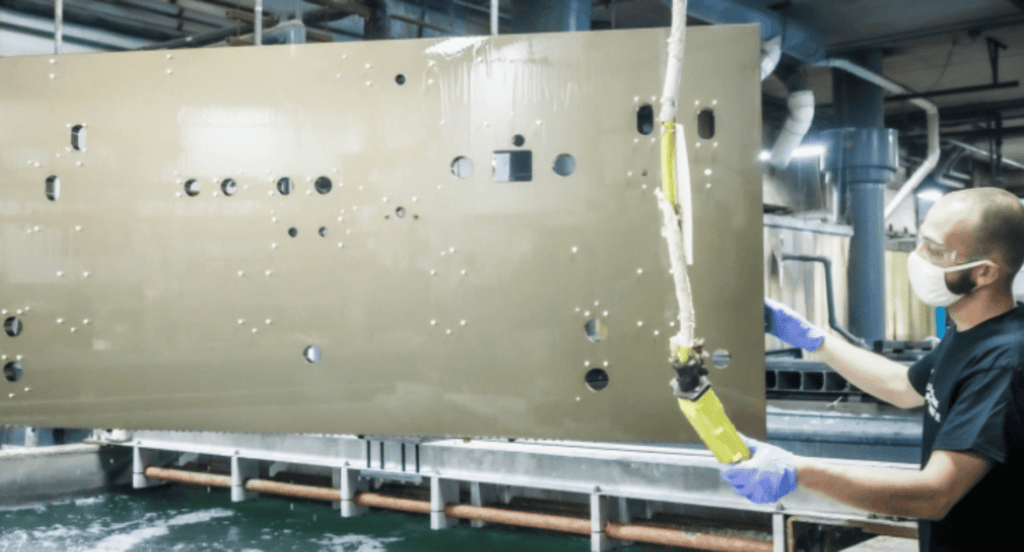
Next, the metal undergoes anodizing, which involves an electrochemical process that converts the surface into a durable, corrosion-resistant anodic oxide finish. This layer is porous, allowing for the subsequent impregnation of PTFE. The quality of anodizing is pivotal as it lays the foundation for the PTFE to bond effectively.
Step#3 Impregnating with PTFE
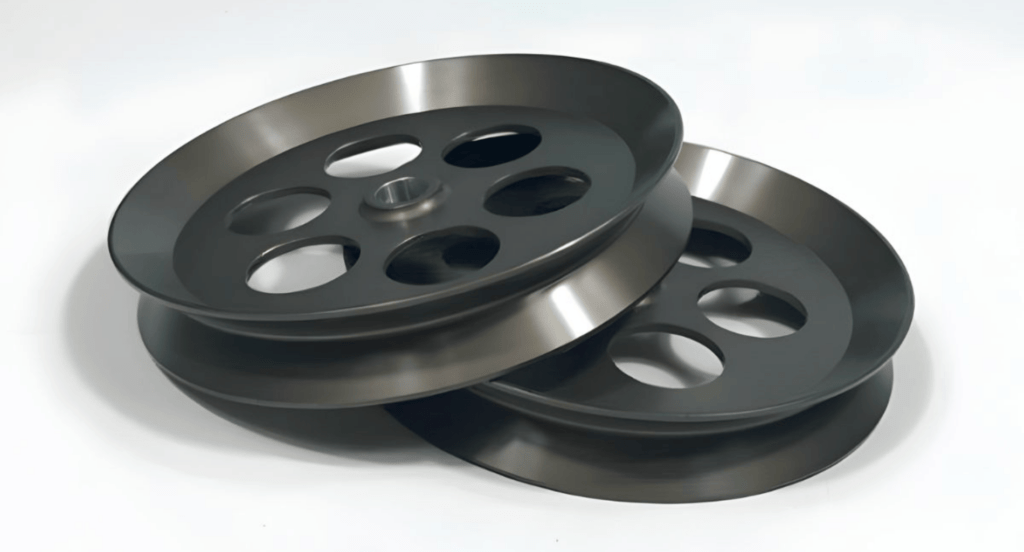
After anodizing, the metal is impregnated with PTFE. The porous anodized layer absorbs the PTFE particles, embedding them into the surface. This step is where the metal acquires its low friction and enhanced wear resistance properties. For example, a valve used in a high-pressure environment benefits immensely from this step, showing significant durability and performance improvements.
Step #4 Sealing
Once the PTFE has been impregnated, the surface undergoes a sealing process. This step locks the PTFE particles in place within the anodized layer, ensuring they don’t wear off quickly and continue to provide their benefits over a prolonged period.
Step #5 Quality Control
The final step is a comprehensive quality control check to ensure the coating meets all specifications and performance standards. This involves inspecting the coated components for uniformity, adhesion, and overall quality. Ensuring that each part meets the high standards expected is essential for delivering the benefits promised by PTFE impregnated anodize.
4. Applications of PTFE Impregnated Anodize
PTFE impregnated anodize has transformed the surface treatment across various industries. Let’s delve into at how this technology is applied in specific sectors, enhancing performance and durability:
Oil and Gas Industry
In the oil and gas sector, equipment faces extreme pressures and corrosive substances. PTFE impregnated anodize protects vital components like valves, pumps, and drilling equipment, significantly increasing their resistance to harsh chemicals and reducing wear. This treatment ensures longer service life and safer operations, crucial in an industry where equipment failure can have serious consequences.
Food Industry
Safety and cleanliness are paramount in the food industry. Equipment treated with PTFE impregnated anodize offers a non-reactive and easy-to-clean surface, reducing the risk of contamination and ensuring compliance with stringent health standards. Ecocenter states 79% of cooking and 20% of baking pans are PTFE-coated, highlighting its key role in food safety and quality.
Automotive Industry
Zemetal utilizes PTFE impregnated anodize in automotive manufacturing, where high performance and longevity are in demand. Components like pistons, valves, and disc breaks are treated to reduce friction and wear, enhancing the vehicle’s efficiency and lifespan. This process is key to creating durable, high-standard automotive parts, ensuring vehicles are powerful, efficient, and reliable long-term.
5. PTFE-Impregnated Anodize vs. Traditional Coatings
Exploring the differences between PTFE-impregnated anodize and traditional metal coatings reveals the unique benefits and applications of each. Let’s take a closer look at the table how these treatments compare in enhancing metal surfaces.
| Feature | PTFE-Impregnated Anodize | Thermal Spraying | Phosphate Coating |
| Performance Enhancement | Superior enhancement, particularly in harsh conditions | Good for surface restoration and protection | Basic enhancement, mainly for pre-treatment |
| Longevity and Durability | Exceptional durability due to strong molecular bond | Varies with material, generally robust | Moderate, mainly offers temporary protection |
| Application Versatility | Ideal for a wide range of industries due to versatile benefits | Broad application but with specific suitability | Suitable for a wide range of metals, versatile in use |
| Maintenance and Care | Requires minimal maintenance due to high durability | Maintenance depends on coating type and application | Regular maintenance needed to ensure protection |
| Application Precision | Requires precise control during application | Less precision needed, more forgiving | Relatively easy to apply with minimal control |
PTFE-impregnated anodize fits in all-around performance and durability, making it suitable for demanding applications. Thermal spraying offers a solid choice for surface protection and restoration, while phosphate coating is beneficial for basic metal preparation and temporary protection. Recognizing these differences is crucial for selecting the optimal coating to meet industrial needs and ensure lasting performance.
6. 3 Maintenance Tips for PTFE Impregnated Surfaces
After exploring how PTFE-impregnated anodize stands apart from traditional coatings, it’s vital to understand how to maintain these advanced surfaces effectively. Here are some essential tips to ensure longevity and performance:
#1 Regular Cleaning
Routine cleaning is key to maintaining the integrity of PTFE-impregnated surfaces. Use a soft cloth and mild detergent to remove dirt and grime without damaging the coating. Avoid abrasive materials or harsh chemicals that can wear down the PTFE layer and compromise its protective properties.
#2 Routine Inspections
Regular inspections are crucial, especially for surfaces in high-wear environments. Checking for any signs of damage or wear helps in taking timely corrective action. For example, in high-precision industries like medical equipment manufacturing, even minor surface irregularities can impact performance, making routine checks vital. This proactive approach maintains surface quality and ensures coated items’ long-term performance.
#3 Controlling Temperature Exposure
It’s important to monitor and control the exposure of PTFE impregnated surfaces to extreme temperatures. Excessive heat can degrade the PTFE layer, reducing its effectiveness. In culinary applications, such as cookware, managing temperature levels can prevent damage to the coating and preserve its non-stick qualities. Temperature control is key to preserving these surfaces’ functionality and protection.
7. Factors to Consider When Selecting the Right Material for PTFE Impregnation
Choosing the right material for PTFE impregnation is crucial for maximizing the benefits of this advanced coating. Let’s explore the key factors that should influence your decision to ensure optimal performance and longevity:
Material Compatibility
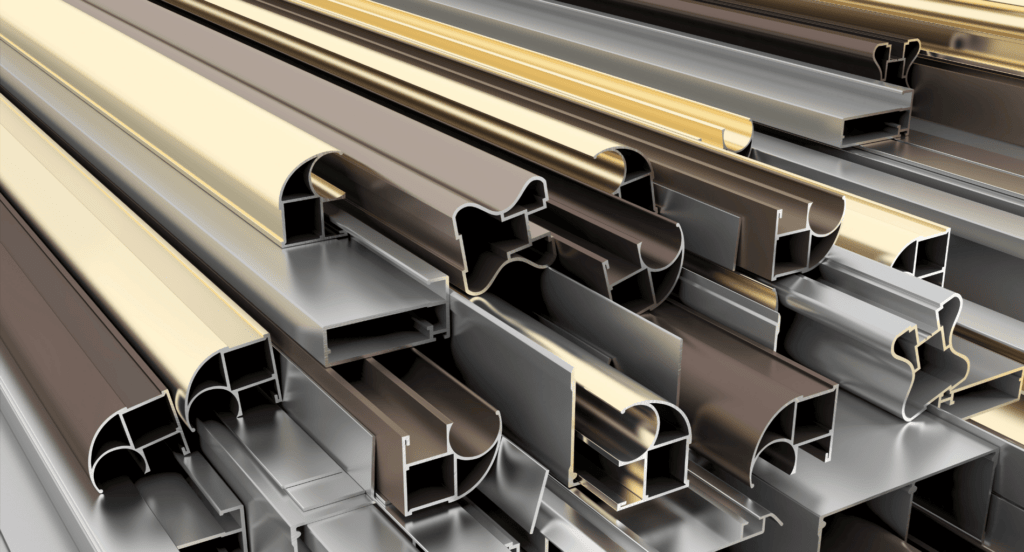
Not all materials are suitable for PTFE impregnation. Consider base metal’s properties, such as its heat resistance, structural integrity, and reaction to chemical treatments. Materials like aluminum, titanium, and certain steels often provide the best results due to their favorable characteristics, ensuring the PTFE coating adheres well and performs as expected.
Application Requirements
Understand the specific demands of the application where the PTFE-impregnated material will be used. Consider factors like exposure to corrosive substances, mechanical stress, and temperature extremes. Selecting a material that can withstand these conditions while benefiting from PTFE’s properties is crucial for long-term success and reliability.
Consulting with Experts
Collaboration with a reputable provider such as Zemetal greatly impacts the success of PTFE impregnation projects. Their expertise in material selection and coating processes guarantees components receive a high-quality treatment customized to specific requirements. Professional guidance is crucial for ensuring the optimal performance and longevity of PTFE-impregnated materials.
Conclusion
Exploring the PTFE-impregnated anodize reveals its potential to transform industry standards through enhanced durability and performance. This guide aims to illuminate the path for making informed decisions in your metal projects.
Embrace the future with Zemetal’s advanced solutions and witness the remarkable benefits in your operations. For further information or to discuss your specific needs, feel free to contact us.