
Is your business aiming to expand its growth in metal processing and surface treatments? Custom anodizing is a critical element in contemporary metal finishing, providing unmatched durability and aesthetic flexibility.
With years of expertise in the field of metal surface treatments, I bring a wealth of knowledge that bridges technical innovation with practical applications.
Custom anodizing is not just a process; it’s a transformative journey for metal products, enhancing their value and functionality through a controlled electrochemical process.
In this ultimate guide, we will explore the various facets of custom anodizing, from its fundamental principles to advanced techniques, and how it can be strategically integrated into business operations.
So keep reading to learn more!
1. Brief Overview of Custom Anodizing
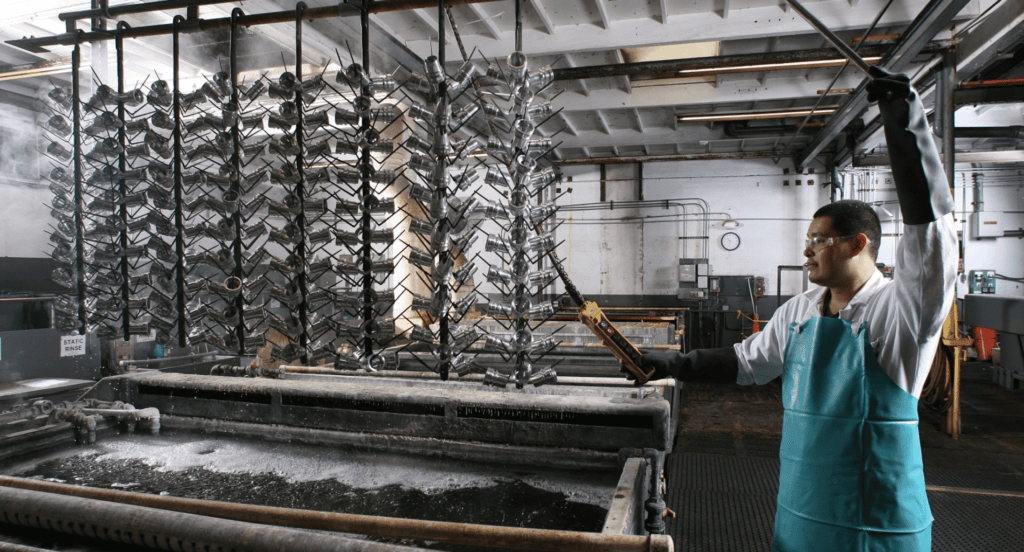
Custom anodizing is a specialized process that transforms the surface of metal components, primarily aluminum, into a durable, corrosion-resistant, and aesthetically pleasing finish. This electrochemical technique involves immersing the metal in an acid electrolyte bath and passing an electrical current through it. The result is the formation of an oxide layer that is fully integrated with the underlying aluminum substrate.
Unlike paint or coating, which can chip or peel, the anodized finishes are part of the metal itself, ensuring longevity and resilience. What sets custom anodizing apart is its versatility. It allows for a range of color options and textures, making it ideal for a variety of industries, from automotive to architecture.
Moreover, this process enhances the innate qualities of the metal, such as increasing resistance to wear and tear and improving adhesion for glues and paint primers. As a result, custom anodizing is not just a finishing step; it’s an important enhancement to the metal’s overall performance and aesthetic appeal.
2. Advantages of Custom Anodizing
Following the overview of custom anodizing, it’s clear that this process is transformative for metals. Here we delve into its specific advantages:
- Enhanced Durability: Custom anodizing creates a significantly harder surface than standard aluminum. This anodized layer is highly resistant to scratching and wear, effectively prolonging the lifespan of the metal in demanding environments.
- Corrosion Resistance: One of the most notable benefits is the increased resistance to corrosion. The anodized finish acts as a barrier, preventing oxidation and protecting the metal from harsh elements. For example, components used in marine applications benefit greatly from this property.
- Aesthetic Appeal: Custom anodizing offers a wide range of colors and finishes, allowing for bespoke design choices. This flexibility is a boon for industries where branding and visual identity are crucial, like consumer electronics.
- Improved Adhesion: The process results in a surface that is ideal for adhesion, making it easier to apply paints or adhesives. This characteristic is particularly beneficial in manufacturing processes where additional coatings are required.
- Eco-Friendly Process: Anodizing is a more environmentally friendly option compared to other metal finishing processes. It produces fewer harmful byproducts, and the materials used in the process are recyclable, aligning with sustainable business practices.
3. Types of Custom Anodizing
Having explored the advantages of custom anodizing, it’s essential to understand its different types. Each type serves specific needs and applications. Here are the key types of custom anodizing:
Chromic Acid Anodizing
Chromic acid anodizing is one of the oldest methods. It utilizes chromic acid to create a thin, protective layer on the surface of the metal. This type is particularly suitable for aerospace applications due to its ability to produce a non-conductive surface, crucial for preventing electrical interference. The anodized layer is thinner compared to other types, providing effective corrosion resistance while maintaining the metal’s strength.
Sulfuric Acid Anodizing
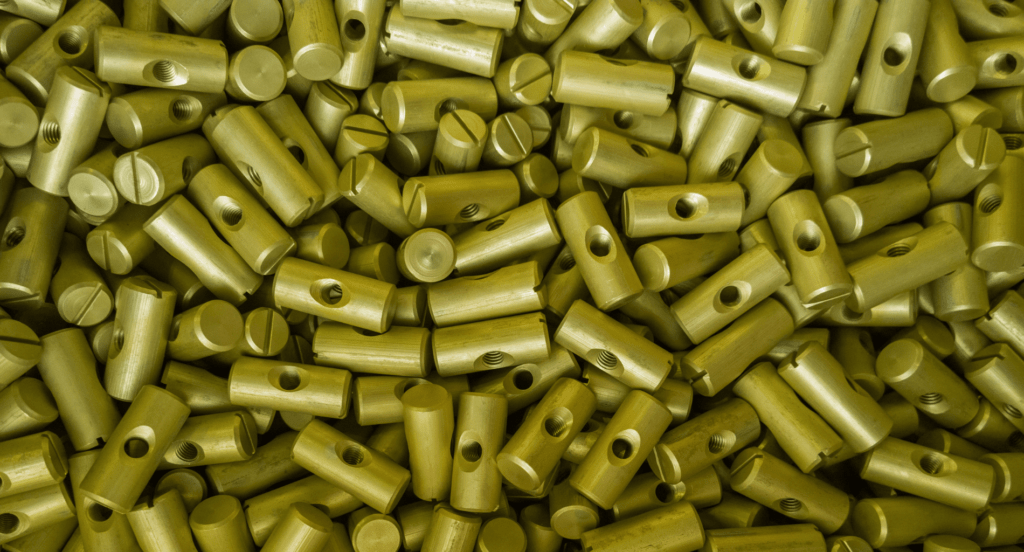
Sulfuric acid anodizing is the most commonly used method. It offers a good balance between cost, durability, and aesthetic versatility. This process involves immersing the metal in a sulfuric acid bath, resulting in a thicker oxide layer than Type I. The anodized layer can be dyed in various colors. Zemetal’s services utilize this type to offer clients a wide range of color options for their projects.
Hardcoat Anodizing
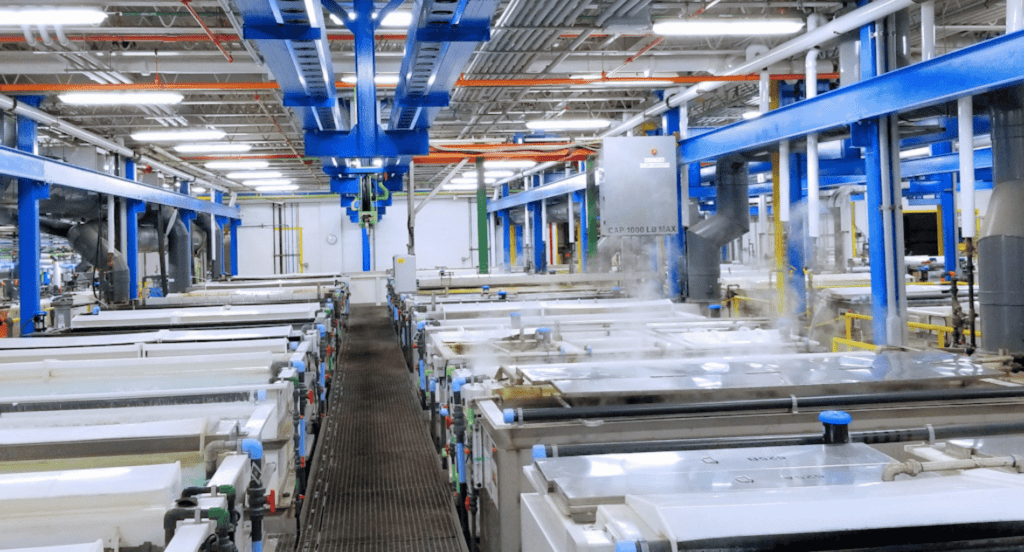
Type III anodizing, known as hard coat anodizing, creates the thickest and most durable anodized layer. This method is ideal for components that require maximum abrasion and wear resistance. The resulting layer can be up to several times thicker than Type II, making it perfect for industrial and military applications where robustness is a priority.
Boric-Sulfuric Acid Anodizing
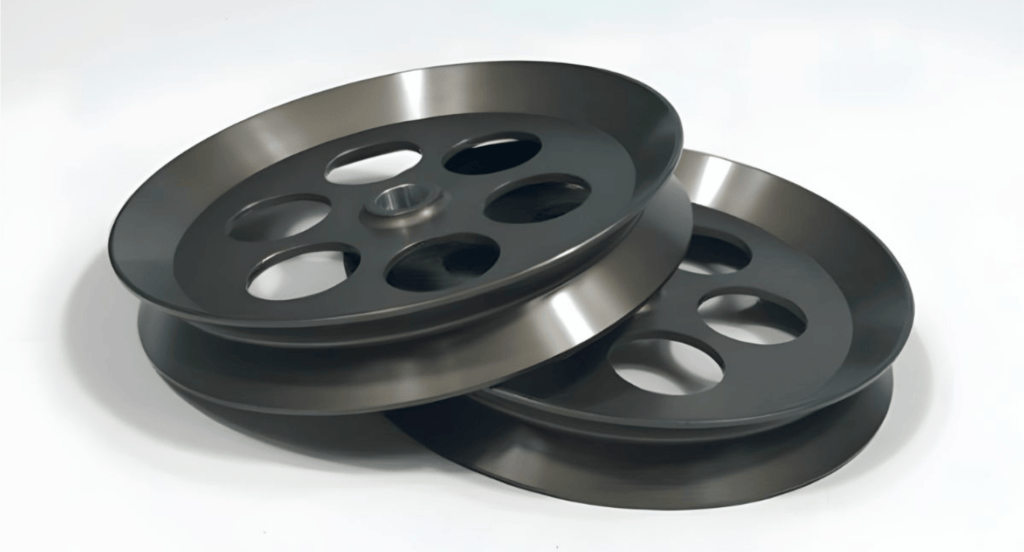
Boric-sulfuric acid anodizing is a newer method developed as an environmentally friendlier alternative to chromic acid anodizing. It provides similar corrosion resistance and paint adhesion properties as Type I but with reduced environmental impact. This method is gaining popularity in industries that are moving towards greener production methods, without compromising on quality and performance.
4. Materials Suitable for Custom Anodizing
Transitioning from the types of custom anodizing, it’s crucial to consider the materials that are best suited for this process. Below are the key materials to know:
Aluminum
Aluminum is the most widely used material for custom anodizing. Its natural affinity for forming a protective oxide layer makes it ideal for this process. Anodizing can transform aluminum’s surface, not only enhancing its aesthetic appeal but also its durability and corrosion resistance. Aluminum’s lightweight yet strong nature, combined with its responsiveness to anodizing, makes it a favorite in industries.
Titanium
Titanium is another popular choice for custom anodizing. Known for its exceptional strength and corrosion resistance, titanium responds well to anodizing. The process can add vibrant colors to titanium without applying external dyes or paints, a feature unique to this metal. This characteristic is particularly advantageous in the medical and jewelry industries, where both the special properties of titanium are highly valued.
Magnesium
While not as common as aluminum or titanium, magnesium can also be anodized. It’s lighter than aluminum and, when anodized, provides significant protection against corrosion. However, magnesium anodizing is a more delicate process and requires careful control to avoid overburning the material. Despite this, the result can be quite remarkable.
Zinc
Zinc is less frequently anodized, but it is still a viable option for certain applications. Anodizing zinc can enhance its already good corrosion resistance and can also be used to add decorative finishes. However, it’s important to note that zinc anodizing is more complex due to the material’s reactive nature. Industries that deal with complex components, such as precision engineering, can benefit from zinc’s anodizing properties.
5. Trends and Innovations in Custom Anodizing
As we’ve explored the suitable materials for custom anodizing, it’s equally important to stay abreast of the latest trends and innovations in this field. Here are the key trends and innovations in anodizing:
Advanced Coloration Techniques
The traditional coloration methods in anodizing are transforming with advanced techniques. One of the exciting trends is the development of nanocoatings, which according to Precendence Research was expected to surpass around USD 66.35 billion by the end of 2032. This offers a broader spectrum of colors and more durable finishes. This innovation allows for more vibrant and long-lasting colors without compromises.
Automation and Digital Integration
The integration of automation and digital technologies in the anodizing process is streamlining operations and enhancing precision. Automated systems equipped with sensors and AI algorithms can monitor and adjust the anodizing conditions in real time, ensuring consistent quality and reducing manual errors. Moreover, digital integration allows for better tracking and analysis of the process, facilitating continuous improvement.
This table outlines the benefits and components of automation and digital integration in the anodizing process, highlighting how these technologies are revolutionizing efficiency and precision.
| Feature | Description | Impact on Anodizing Process |
| Automated Systems with Sensors | Real-time monitoring and adjustment of conditions | Ensures consistent quality and precision |
| AI Algorithms | Intelligent decision-making for process optimization | Reduces manual errors and improves efficiency |
| Digital Tracking | Tracks process data for analysis | Aids in continuous process improvement |
| Automated Quality Control | Consistent assessment of final product quality | Maintains high standards of output |
| Integration with Manufacturing Software | Seamless coordination with broader manufacturing systems | Enhances overall operational efficiency |
Eco-friendly Anodizing Processes
Environmental sustainability is a growing concern, and the anodizing industry is responding with eco-friendly processes. Innovations are emerging in reducing water usage and minimizing hazardous chemicals in anodizing baths. Companies are also focusing on waste reduction by recycling byproducts and optimizing energy efficiency in their operations.
6. Industrial Applications of Custom Anodizing
Moving from the trends and innovations in custom anodizing, it’s important to understand its practical applications across various industries. Below are the key sectors:
Aerospace Industry
In the aerospace industry, custom anodizing is invaluable. Components like airframe structures and engine parts benefit greatly from the enhanced corrosion resistance and durability offered by anodized coatings. Seeing the transformation of aerospace components through anodizing has been a testament to the process’s impact. Zemetal services offer specialized anodizing solutions catering to the strict standards in this sector.
Automotive Industry
The automotive industry extensively uses custom anodizing for both functional and aesthetic purposes. Components such as engine parts, trim pieces, and wheels are commonly anodized to improve corrosion resistance and wear properties. Additionally, the ability to color these components allows for greater customization and branding opportunities for automotive manufacturers.
Electronics Industry
Custom anodizing finds significant application in the electronics industry, especially in consumer electronics. Devices like smartphones, laptops, and cameras often feature anodized aluminum cases for their lightweight, durable, and aesthetically pleasing qualities. This process not only adds to the product’s visual appeal but also provides a protective layer against everyday wear and tear.
Architectural and Building Sector
The architectural and building sector increasingly relies on custom anodizing for structural and decorative elements. Anodized aluminum is used in exteriors, window frames, and other architectural details for its durability and weather-resistant properties. It’s fascinating to see how anodized materials can transform the aesthetic of a building, offering both beauty and practicality.
7. Challenges and Solutions in Custom Anodizing
As we delve into the industrial applications of custom anodizing, it’s also important to address the challenges faced in this field and the solutions that can be implemented. Listed are some to keep in mind:
Inconsistent Anodizing Quality
- Inconsistent Quality Across Batches: One common challenge in custom anodizing is achieving consistent quality across different batches. Variations in factors like temperature, electrolyte composition, and current density can lead to differences in thickness, color, and texture of the anodized layer.
- Solution – Process Standardization and Monitoring: The key to overcoming this challenge is to standardize the anodizing process and implement strict quality control measures. Using automated systems to monitor and adjust the process parameters can ensure uniformity.
Environmental Impact
- Environmental Concerns: Custom anodizing often involves chemicals that can be harmful to the environment. Managing these chemicals and the waste produced during the process poses significant environmental challenges.
- Solution – Eco-Friendly Practices and Recycling: Adopting eco-friendly anodizing practices is the way forward. This includes using less harmful chemicals, recycling waste products, and investing in closed-loop systems to minimize waste. Adopting such sustainable practices enhances the company’s reputation.
Cost Management
- High Operational Costs: Custom anodizing can be a cost-intensive process, especially when dealing with specialized finishes or large volumes. The costs associated with energy consumption, materials, and waste management can be significant.
- Solution – Efficiency Optimization and Technological Advancements: To manage costs effectively, optimizing operational efficiency is essential. This can be achieved through the adoption of advanced technologies like energy-efficient equipment and automation.
8. Criteria for Selecting Anodizing Services
While addressing the challenges and solutions to custom anodizing, it’s also essential for businesses to know how to select the right anodizing service provider. See the following criteria to make an informed choice:
High Standards of Quality
The foremost criterion is the quality and consistency of the anodizing service. A reputable service provider should have a track record of delivering high-quality finishes with consistency across batches. As an expert, a service provider should adhere to industry standards and have strict quality control measures in place because this part is non-negotiable.
Solid Market Standing
A provider’s reputation in the industry, backed by positive client testimonials and referrals, is a strong indicator of reliability and quality. Seek out providers who are well-regarded in the industry and have a track record of successful collaborations. As an example, client feedback and case studies can provide insights into the provider’s capabilities and their approach to client relationships.
Ease of Communication
The provider’s accessibility and ease of communication are essential. A service provider who is readily available to discuss project details, provide updates, and address concerns contributes to a smooth and transparent working relationship. This factor is particularly important for long-term projects or when regular updates are necessary.
Conclusion
To sum this up, this comprehensive guide to custom anodizing is designed to equip you with the knowledge and insights needed to make informed decisions in this dynamic industry. By understanding its complexities, you can utilize these practices for enhanced business outcomes.
For those seeking expert anodizing services that align with the highest industry standards, Zemetal offers solutions to meet your specific needs. For more information, feel free to contact us!